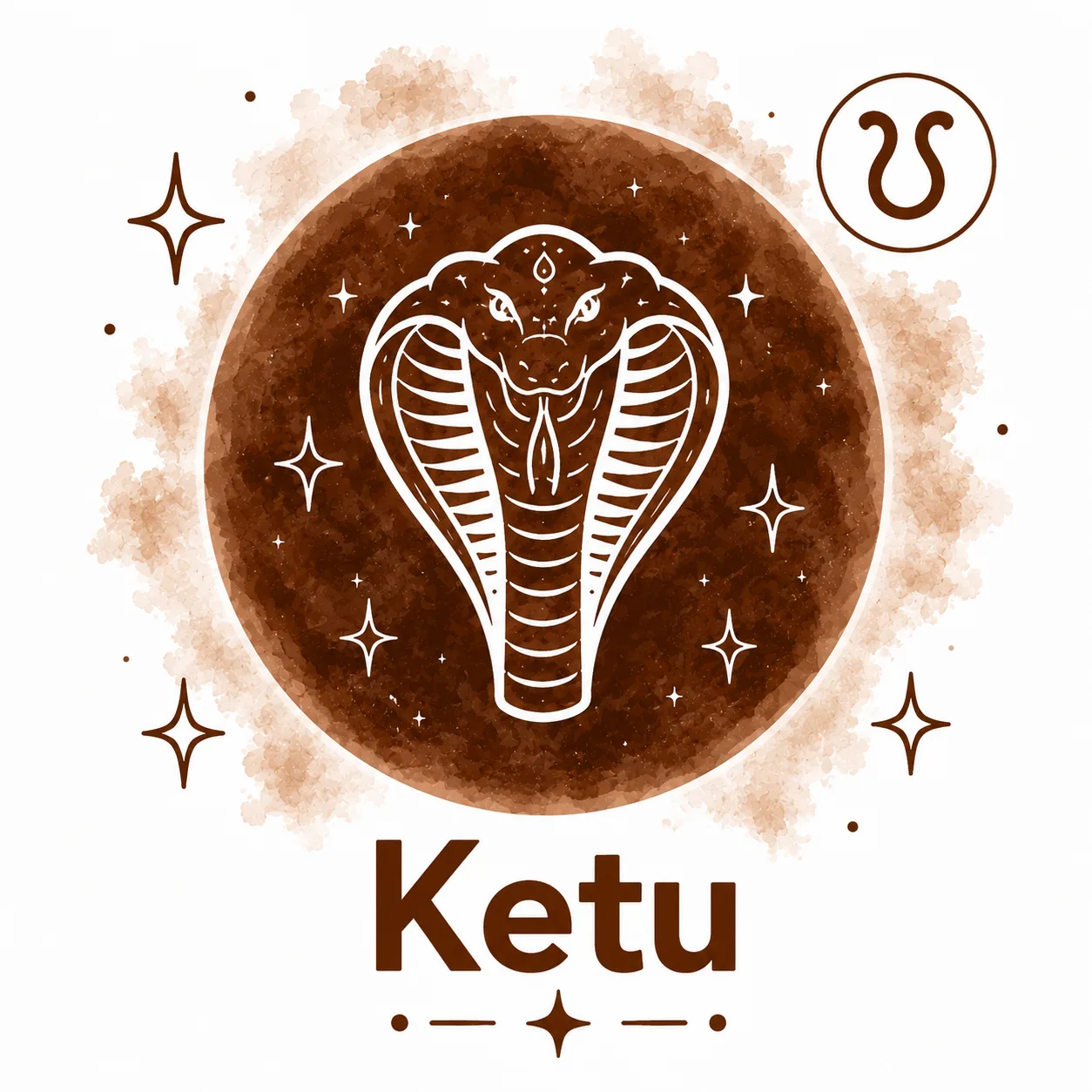
Navagraha
Ketu (South Node)
About
Origin & Mythology
Ketu is the inseparable other half of Rahu - the headless torso left behind when Lord Vishnu's Sudarshana Chakra severed the Asura Svarbhanu during the Samudra Manthan, just as he was caught stealing a share of the Amrita meant only for the Devas. Where the severed head rose as Rahu, the remaining torso became Ketu, retaining the same hard-won immortality, and the two were subsequently granted planetary status among the Navagrahas, initiated into the Jaimini Gotra lineage in recognition of their new celestial standing.
Lacking a head - the very seat of appetite, speech, and worldly identity - Ketu came to be regarded as a being fundamentally different in temperament from his brother: while classical texts describe his nature as fierce, comparable even to Mangal's intensity, that same intensity is understood to burn away material attachment rather than fuel it, making Ketu the graha most associated with detachment, hidden knowledge, and the pull toward moksha.
Family
Father: Viprachitti
Mother: Simhika, daughter of Hiranyakashipu
Wife: Chitralekha
Brother: Rahu, eldest among their more than one hundred siblings, born of the very same body
Iconography
Ketu is depicted with a serpent-like face and a demon-like waist in place of legs, his complexion smoky and his clothing black. He is usually shown with two arms - one raised in the varada mudra of blessing, the other holding a mace - and rides a vulture; some devotional depictions instead show a gem or star radiating mysterious light where his head would otherwise be.
In Vedic astrology, Ketu, like Rahu, holds no classical rulership over a zodiac sign but is a chaya graha (shadow planet) governing spirituality, renunciation, hidden insight, and sudden turning points; his Mahadasha spans seven years, and he is closely linked to matters of research, mysticism, and the subconscious mind.
Quick Facts
Exaltation & Debilitation
Planetary Relations
🤝 Friends
⚔️ Enemies
➖ Neutral
Significance
It governs spiritual detachment, hidden talents, liberation, sudden separation, and past-life karmic residue.
Characteristics
A strong Ketu brings intuition, research depth, and spiritual insight; afflicted Ketu may cause confusion, withdrawal, or unexplained breaks.
Deity & Beej Mantra
🙏 Lord Ganesha
ॐ स्रां स्रीं स्रौं सः केतवे नमः
Effects
A balanced Ketu supports spirituality, detachment, and sharp perception. Afflicted Ketu may create insecurity, sudden losses, isolation, or scattered focus.
Remedies
Pray to Ganesha, practice meditation, stay grounded in family duties, donate mixed-colour blankets, and wear cat’s eye only with expert guidance.
Vedic Astrology
Astrological Elements
In Vedic astrology, every zodiac sign belongs to one of four natural elements. Each element shapes the core personality, temperament, and energy of its signs.
Element
Fire
Fire signs include Aries, Leo, and Sagittarius. People connected to this element are often energetic, confident, and action-oriented. They enjoy taking initiative, inspiring others, and moving ahead with passion. Their direct nature is a strength, though they may sometimes act in haste.
Element
Earth
Earth signs include Taurus, Virgo, and Capricorn. They are known for being practical, dependable, and steady in their approach. These people usually value security, hard work, and real results. They may appear reserved at first, but they are often deeply caring and loyal.
Element
Air
Air signs include Gemini, Libra, and Aquarius. They are thoughtful, curious, and good at communication. These people enjoy ideas, conversations, and learning new things. They like variety and freedom, though they may sometimes struggle to stay grounded or make quick final decisions.
Element
Water
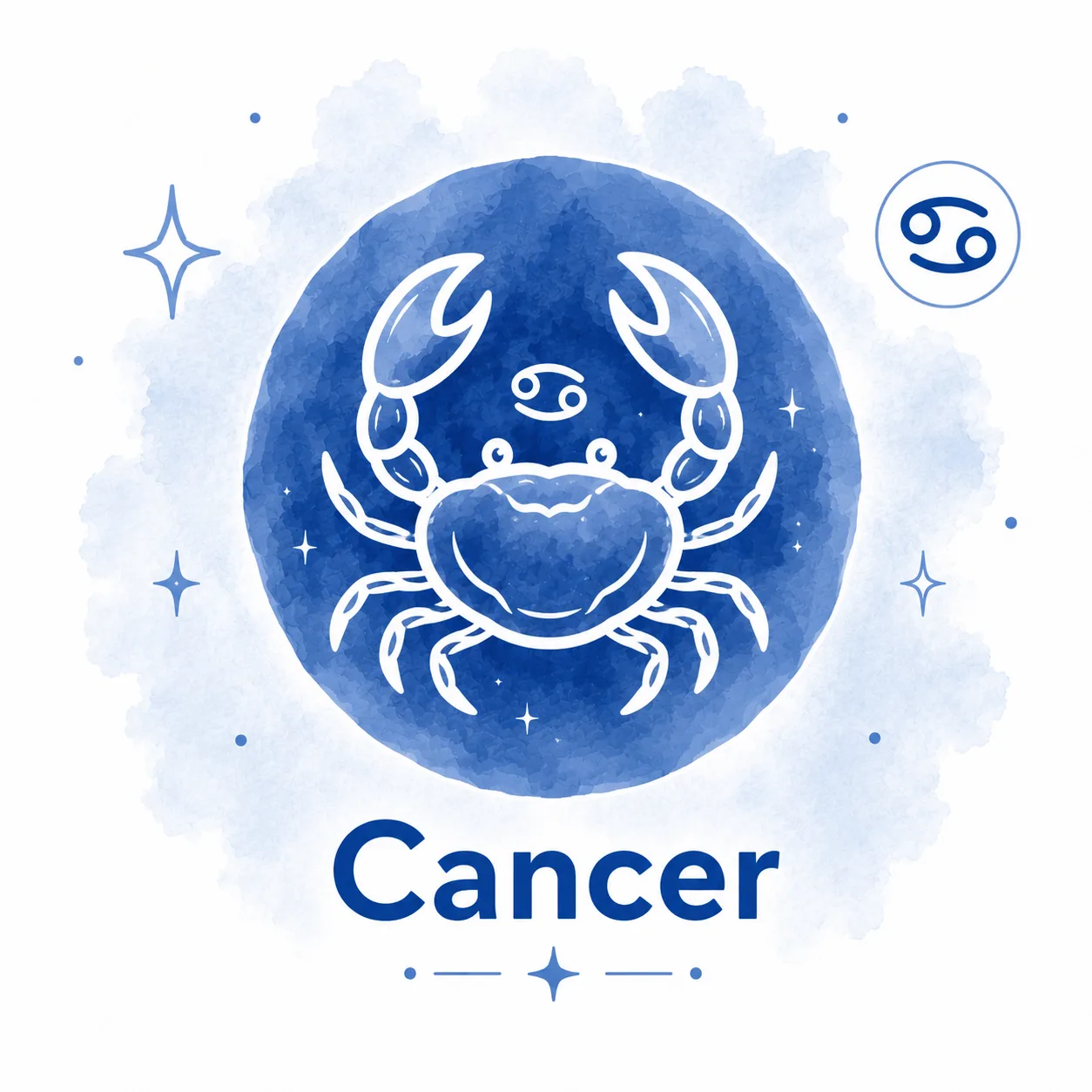
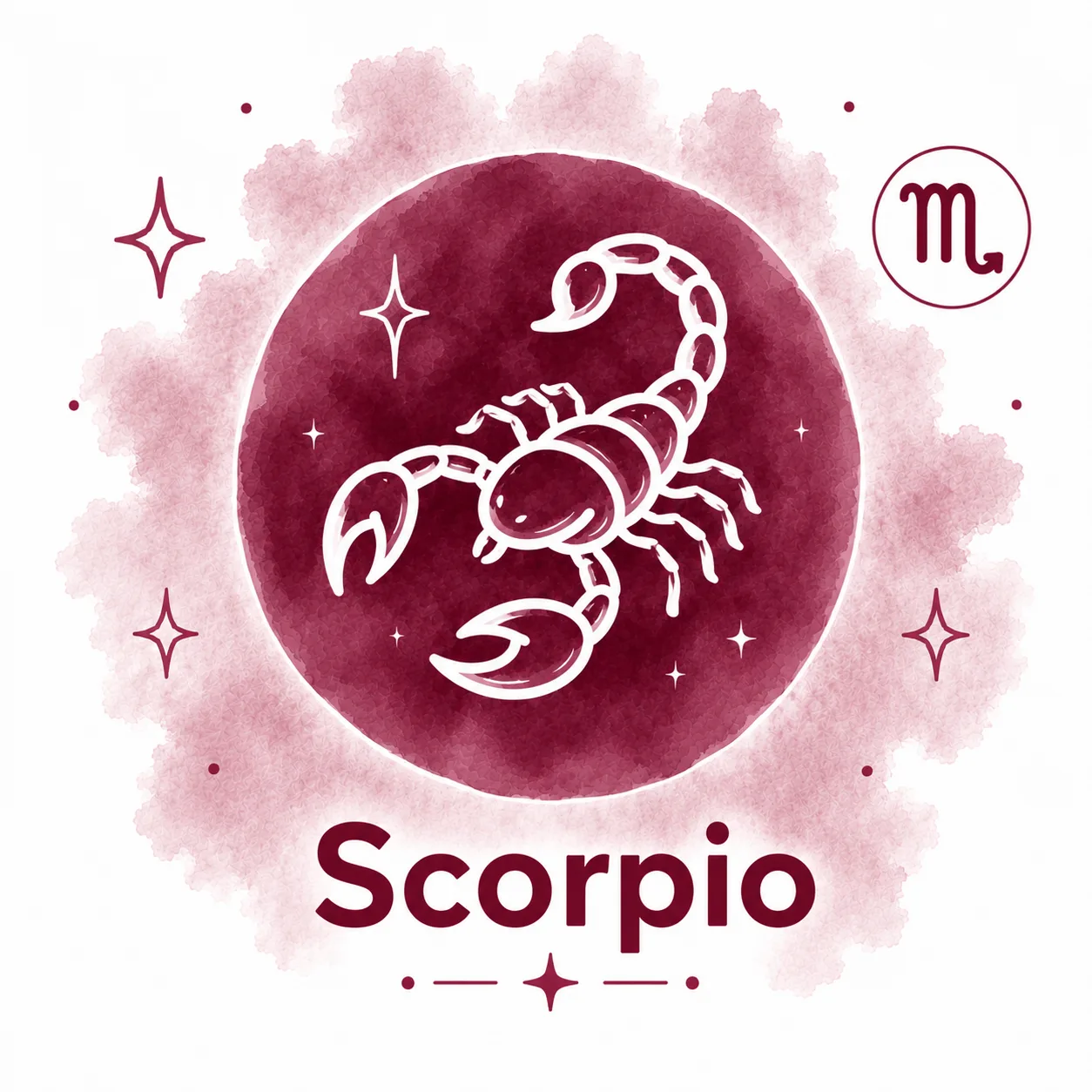
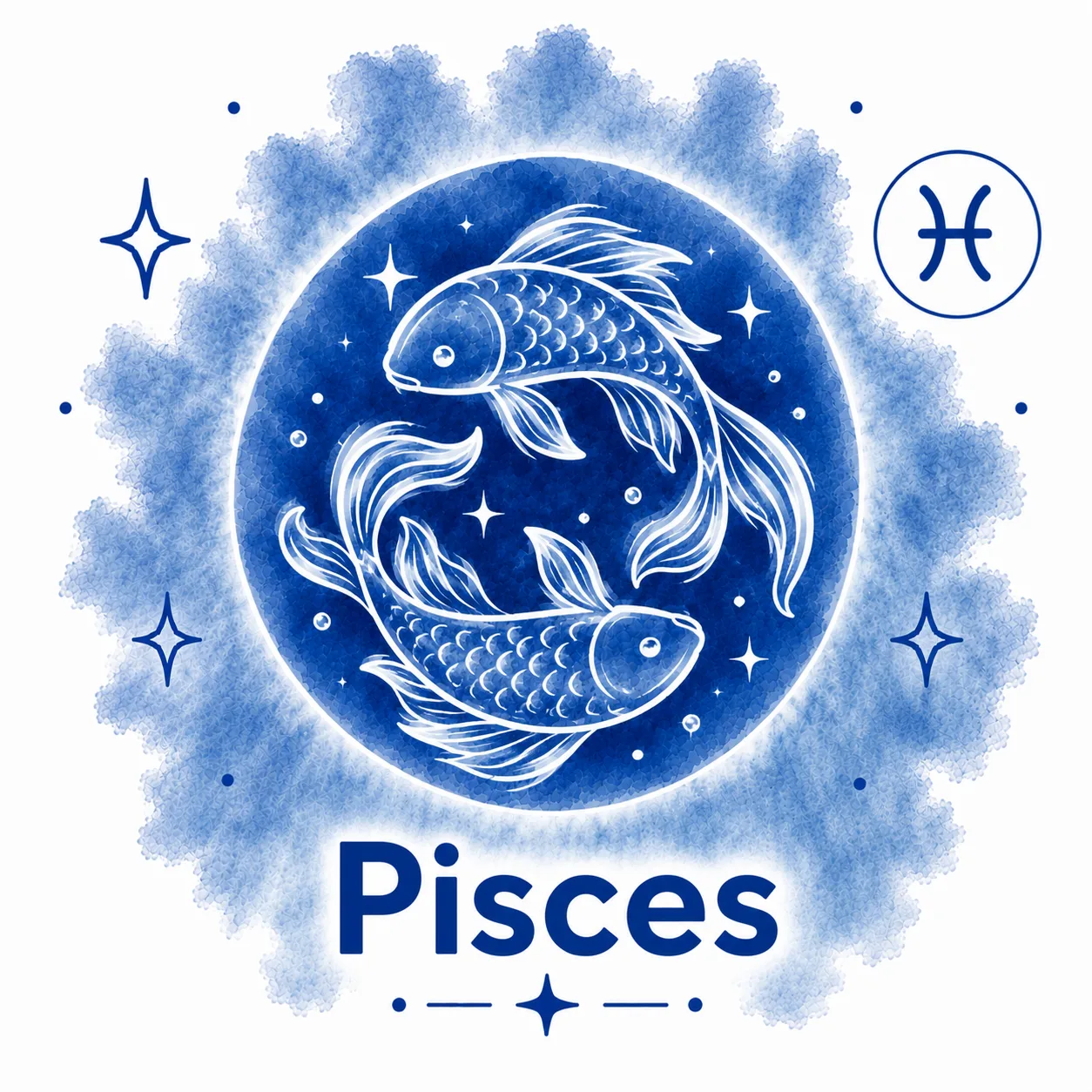
Water signs include Cancer, Scorpio, and Pisces. They are sensitive, intuitive, and strongly guided by feelings. These people care deeply about relationships and often understand emotions without many words. Their compassion is a gift, though they may need time to protect their own emotional balance.